Loose Impala Horns for Sale
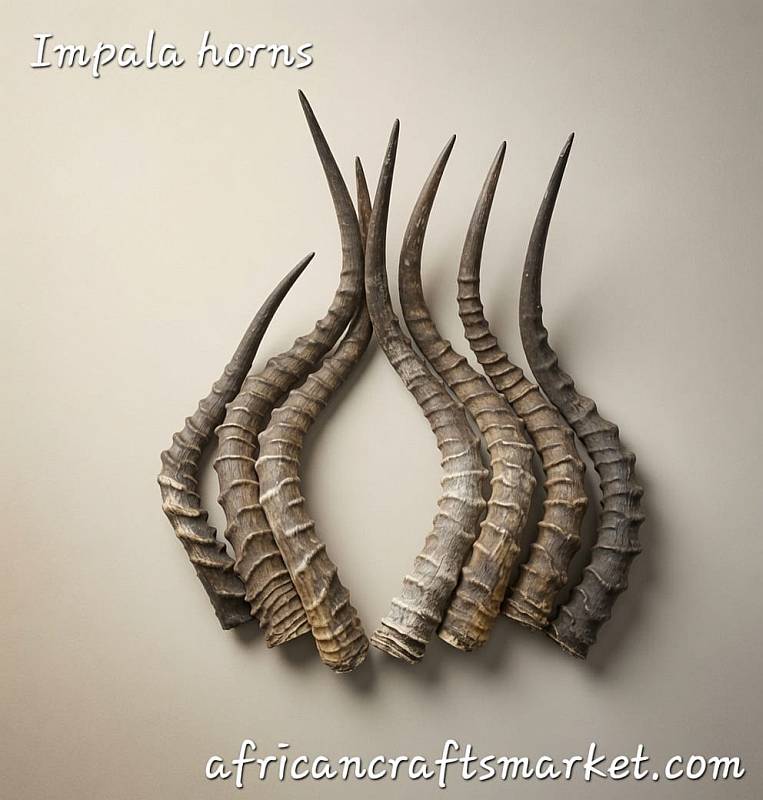
Click on image for larger view
Authentic African Impala Horns
$29-00
Region: South Africa
Material: Horns
Size: 40cm (Horn size)
2 loose horns (not a matching pair)

Loose Impala Horns (Non-Matching Pair)
Size: 40cm (Horn size) - 2 horns
| Species | Impala (Aepyceros melampus) |
| Origin | South Africa |
| Quantity | 2 Loose Horns |
| Matching Pair | No |
| Horn Length | Approximately 40 cm |
| Finish | Wire Brushed and Clear Lacquered |
| Condition | Natural Horn |
| Suitable For | Taxidermy, Decor, Craft Projects, Furniture Accents |
These authentic African impala horns are offered as two individual loose horns and are not a matched pair. Each horn has been carefully cleaned and wire brushed to enhance its natural texture, ridges, and character. A protective coat of clear lacquer has been applied to preserve the horn and provide a subtle, attractive finish.
Loose impala horns are versatile natural materials used in taxidermy restoration, traditional crafts, furniture making and African-inspired décor. Their strength, durability and lightweight nature make them suitable for custom projects ranging from knife handles and walking stick accents to display mounts and rustic interior features.
As genuine natural products, each horn is unique in colour, shape, length, and texture, showcasing the individuality and beauty of African wildlife. The horns have been prepared to highlight their natural features while ensuring long-lasting durability.
Features:
- Genuine African impala horns
- Two loose horns supplied
- Not a matching pair
- Wire brushed to enhance natural detail
- Finished with a protective clear lacquer coating
- Natural horn structure characteristic of mature male impalas
- Suitable for décor, taxidermy, crafts, and custom projects
- Natural variations in size, colour, and appearance
Perfect for collectors of African taxidermy, safari-themed interiors, rustic wall art, and authentic African wildlife decor
Ethically Sourced African Impala Horns
These impala horns originate from legally sourced South African game animals. Each horn is individually selected, cleaned and prepared for display or craft use. African Crafts Market has supplied genuine African wildlife products to customers worldwide for more than 20 years.
View our African game skulls and horns gallery for additional African horns, skulls and wildlife collectibles..
Related Impala Products:
Worldwide Shipping Available
We ship loose impala horns from South Africa to customers worldwide. Each order is carefully packed for international delivery and we assist with export documentation where required.
Customers interested in these horns may also wish to view our genuine impala skulls or browse the complete range of African horns and skulls.
Other styles skulls available on our main skull horns page


To view other African Impala items,click on the images above
Common Uses for Genuine Impala Horns
Impala horns have many practical and decorative applications. Taxidermists often use loose horns for specimen restoration and display work, while craftsmen incorporate them into custom furniture, carved artwork, walking sticks and traditional African craft projects.
Interior designers frequently use natural horns in safari lodges, game ranches, hunting camps and rustic homes where authentic wildlife materials form part of the décor. Their natural durability allows them to be displayed for many years with minimal maintenance.
About Genuine African Impala Horns
Impala horns differ significantly from antlers. While antlers are shed and regrown each year by species such as deer, impala horns are permanent structures that remain attached throughout the animal's life. The horns continue to grow over many years, developing the distinctive ridged texture and elegant lyre-shaped curve that make impalas one of Africa's most recognizable antelope species.
Each impala horn consists of a hard outer keratin sheath surrounding a bony core. This natural structure gives the horn exceptional strength and durability while preserving its unique appearance. Growth rings and ridges form naturally as the animal matures, creating individual patterns that vary from horn to horn.
Because impala horns are natural wildlife products, no two examples are identical. Differences in age, habitat, genetics, and environmental conditions influence the final shape, colour, length, and ridge formation of each horn. These natural variations are highly valued by collectors, taxidermists, craftsmen, and interior designers seeking authentic African wildlife specimens.
Authentic impala horns are often included in natural history collections, wildlife displays and educational exhibits where they help illustrate the anatomy and development of African antelope species.
Key Characteristics of Impala Horns
- Permanent horns that are not shed annually
- Made of a keratin horn sheath over a bony core
- Distinctive lyre-shaped curved appearance
- Naturally ridged surface texture
- Unique variations in colour, shape, and length
- Suitable for restoration, display and creative projects
- Authentic African wildlife product sourced from South Africa
Frequently Asked Questions About Impala Horns
Are these genuine impala horns?
Yes. These are genuine African impala horns sourced in South Africa.
Are the horns a matching pair?
No. This product consists of two loose impala horns and they are not from the same animal.
How have the horns been prepared?
Each horn has been cleaned, wire brushed and finished with a protective clear lacquer coating.
What can impala horns be used for?
Impala horns are commonly used for taxidermy restoration, African decor, rustic displays, furniture accents, craft projects, knife handles and curio collections.
Can these horns be shipped internationally?
Yes. We ship worldwide and assist with export requirements where applicable.
Why Buy Loose Impala Horns?
Loose horns are often preferred when a mounted trophy is unnecessary. They can be incorporated into custom projects, used as replacement horns for restoration work, or displayed individually as natural African wildlife specimens.
Because they are supplied separately rather than attached to a skull plate, they provide greater flexibility for designers, educators, artisans and collectors seeking authentic natural materials.
Each horn has been professionally cleaned, wire brushed and protected with a clear lacquer finish, making it ready for immediate use or display.
Impala Horn Growth and Development
Only male impalas develop horns. Growth begins during the animal's first year and continues gradually throughout adulthood. Unlike deer antlers, impala horns are permanent structures that are not shed annually.
The horn is formed from a tough keratin sheath that grows over a permanent bony core attached to the skull. As the animal ages, the horn develops pronounced growth rings that provide a visual record of maturity and development.
Genetics, nutrition and environmental conditions all influence horn size and formation. This natural variation means that every impala horn differs slightly in length, thickness and ridge development.
Factsheet
Scientific classification
- Swahili Name: Swala Pala
- Scientific Name: Aepyceros melampus
- Size: 28 to 36 inches tall
- Weight: 100 to 135 pounds
- Lifespan: 12 years
- Habitat: Savanna and light woodland
- Diet: Grazer/browser
- Gestation: Between 6 and 7 months
- Predators: Lions, leopards, cheetahs, hyenas, hunting dogs Conservation status: Least concern / abundant
Shopping Cart
View shop-cart/checkout
Search
Website currency
Prices in US$
Shop Products
- Abstract art
- African figures
- African heads
- Animal skins
- Bead work
- Belts
- Candles
- Candle holders
- Canes
- Chessboards
- Clothing
- Cooking utensils
- Cushions
- Drums
- Footwear Shoes
- Furniture
- Gemstones
- Hats
- Horns & skulls
- Jewelry
- Leather
- Lights & Shades
- Masks
- Ostrich eggs
- Paintings
- Stone animals
- Stone Eggs
- Stone tableware
- Table cloths
- Wire art
- Wood animals
- Wood tableware
- Woven baskets
- Zulu shields
- .


Useful Links

Featured Item


Info
We work with crafters throughout Africa to find a vast range of handcrafted items and then send them worldwide.
All items are produced in Africa by local Africans